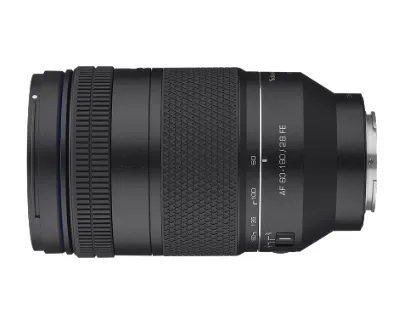
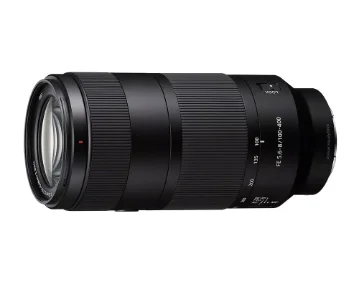
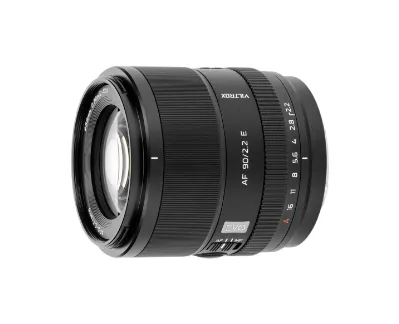
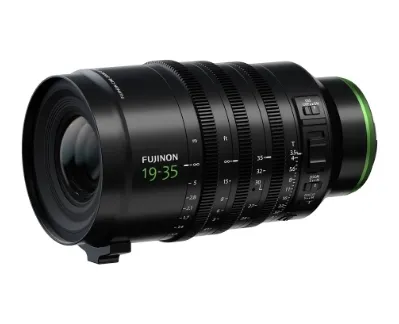
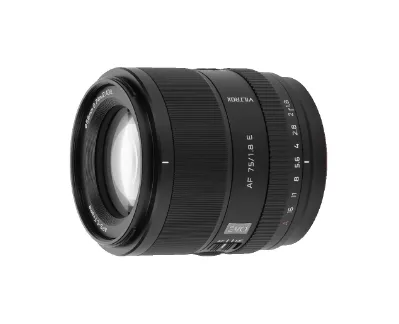
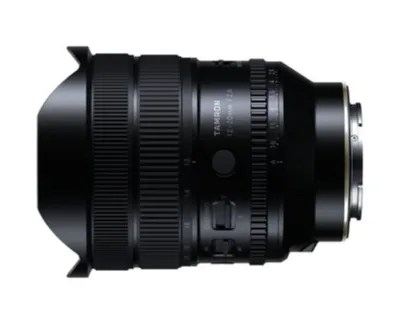
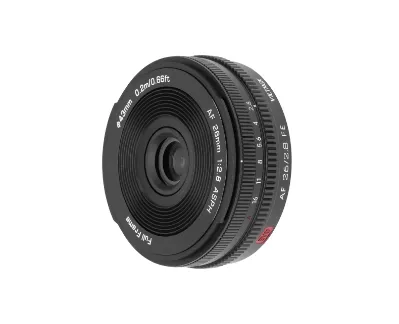
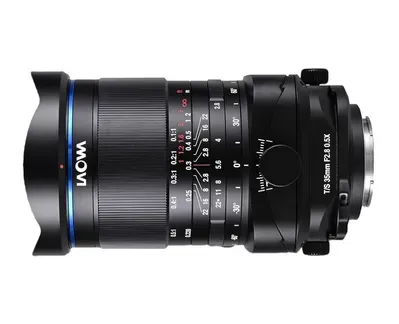
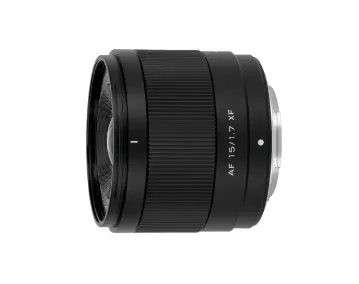
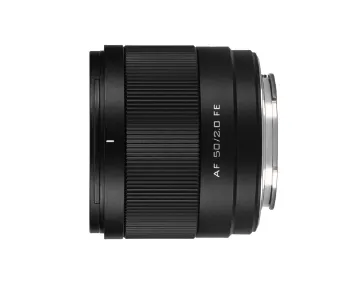
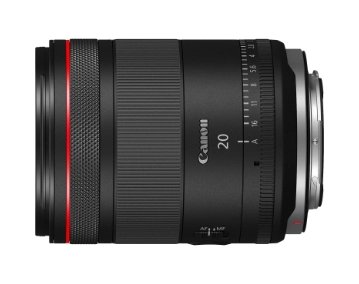
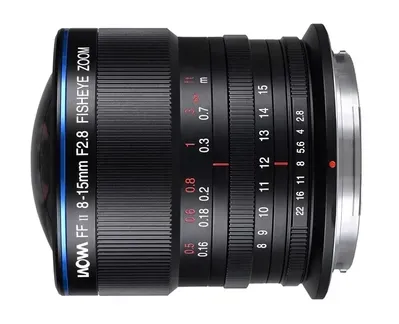
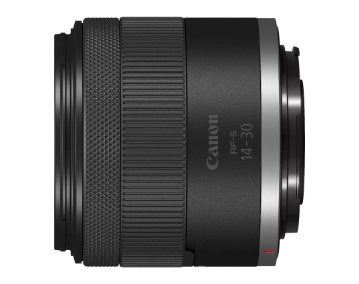
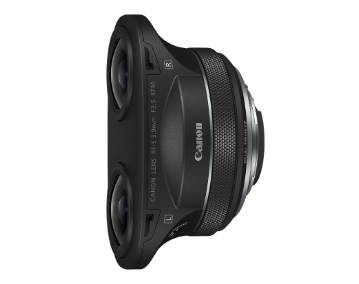
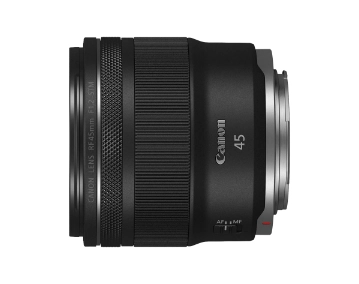
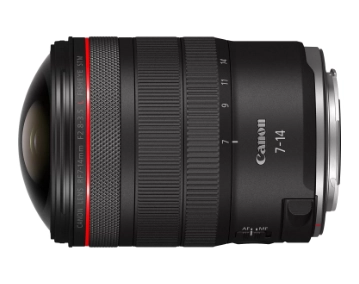
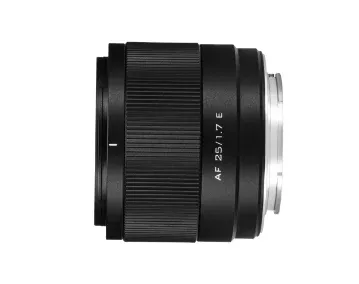
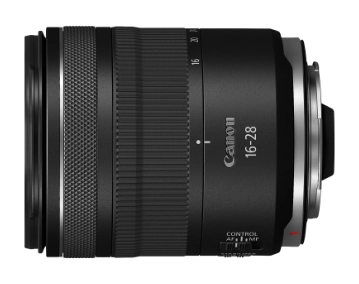
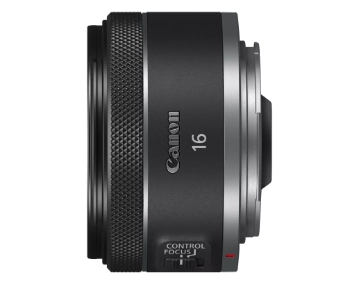
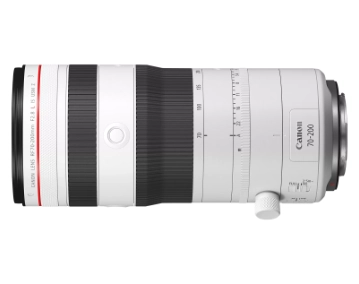
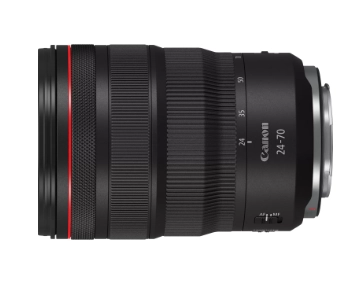
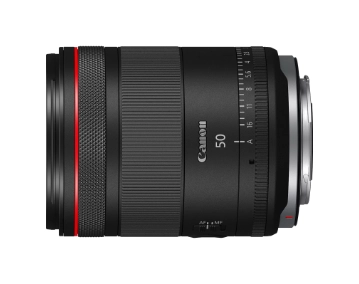
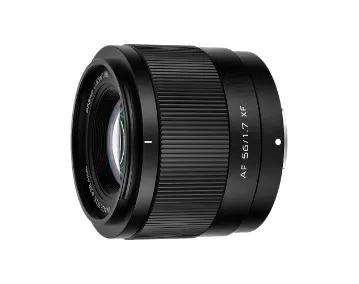
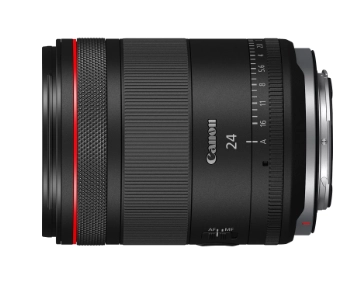
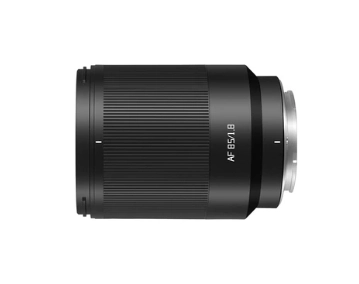
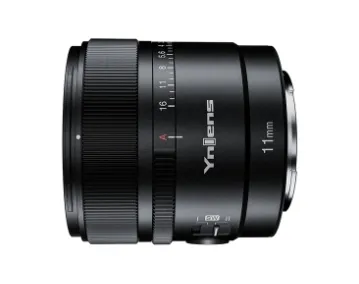
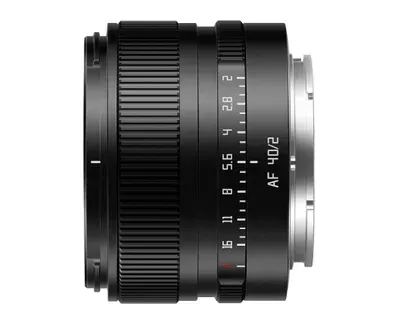
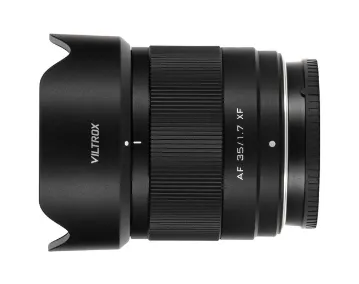
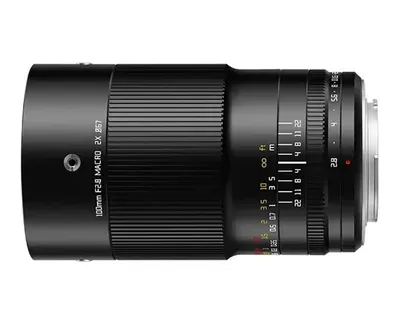
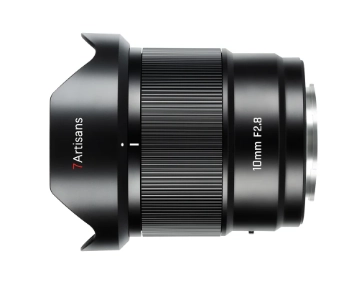
Filter by mount, brand, focal length, aperture, and use case to find lenses that fit your camera and shooting style. Every listing tracks Amazon UK price history, so you can see specs and price side-by-side. Want a head-to-head? Compare up to 3 lenses or try the lens recommendation wizard.
Not all specs are equal. These are the five factors that actually determine whether a lens fits your camera and shooting style.
The most important factor — a lens must match your camera's mount (e.g. Sony E, Canon RF, Nikon Z). An adapter can bridge some mount combinations but may limit autofocus performance.
Focal length determines your field of view. Wide angles (14–35mm) suit landscapes and architecture; standard primes (50mm) for everyday use; telephoto (70–200mm+) for sport, wildlife, and portraits.
A wider maximum aperture (e.g. f/1.4 vs f/4) lets in more light for low-light shooting and creates stronger background blur (bokeh). It also significantly affects price and weight.
In-lens stabilization (OIS) reduces camera shake at slow shutter speeds — especially useful for video and handheld shooting. Some cameras offer in-body stabilization (IBIS) instead, making this less critical.
A faster aperture or longer focal length usually means a heavier lens. If you're shooting handheld all day or traveling light, weight is a real consideration — not just a spec on paper.
Lens prices fluctuate on Amazon. GearXplorer tracks daily price history so you can see if a lens is at its lowest price or has been significantly cheaper in recent months.
Can't find the lens you're looking for?
We're adding new products regularly. Let us know what's missing.
Request a Product